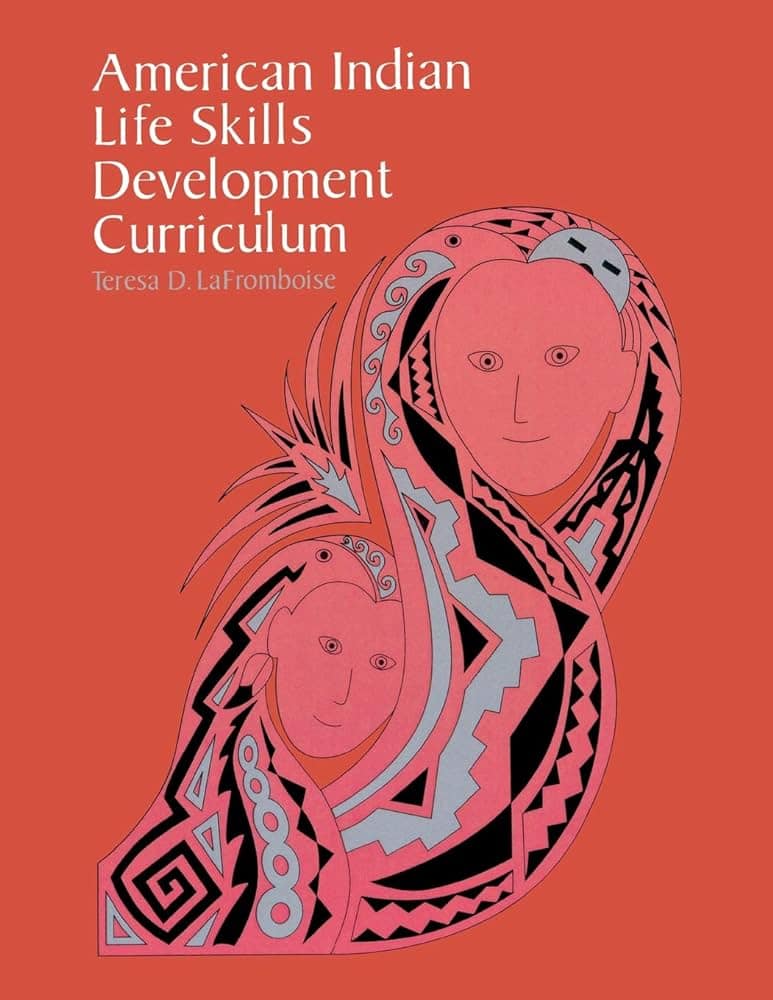
American Indian Life Skills Development
Category: Mental Health Literacy, Suicide Prevention, Social Emotional Learning, Substance Use Disorder
Modality: Curriculum
Summary
A school-based, culturally sensitive, suicide-prevention program for American Indian adolescents, also known as Zuni Life Skills Development. Themes this program covers 1) building self-esteem, 2) identifying emotions and stress, 3) increasing communication and problem-solving skills, 4) recognizing and eliminating self-destructive behavior, 5) information on suicide, 6) suicide intervention training, and 7) setting personal and community goals. The curriculum also incorporates three domains of well-being that are specific to tribal groups: 1) helping one another, 2) group belonging, and 3) spiritual belief systems and practices. Lessons are interactive and incorporate situations and experiences relevant to AI/AN adolescent life such as friendship issues, rejection, divorce, separation, unemployment, and problems with health and the law.
Additional outcomes:
Decreased hopelessness; Decreased suicidal ideation
Strategies supporting educational equity (CASEL)
Not available at this time.
Implementation
Below are key implementation details for this program. These specifications help determine if the program is a good fit for your school or organization.
Grade(s)
High School (9-12)
Setting
Classroom
Language
English
Cost
$40 per manual
# Lessons
Contact provider
Program Design
Tier 1 (Universal), Tier 2 (Targeted)
Technology Requirements
None required
Staffing Requirements
Highly recommend AILS Key Leader Orientation 3-day training for groups of 20. Cost is $1,800 plus travel expenses of the trainer for the time of training. Contact author at lafrom@stanford.edu
Professional Development
Contact provider
Outcomes
Decreased substance use
Improved attitude/behavior related to substance use
Advocate for reducing stigma associated with emotional and mental and behavioral health
Compare & contrast emotional, mental-behavioral illness, mental well-being and concurrent disorders
Decreased suicidal behavior
Describe how self-harm or suicide impacts other people
Describe laws related to minors accessing mental health care
Explain how to help someone who is thinking about attempting suicide
Identify school and community resources that can help a person with emotional, mental and behavioral health concerns
Improved Academic Performance
Improved attitude/behavior related to suicide
Improved identification of individuals at-risk for suicide
Improved Identity Development/ Agency
Improved Prosocial Behavior
Improved School Climate
Improved School Connectedness
Improved SEL Skills and Attitudes
Improved Teaching Practices
Increased help-seeking behavior
Reduced Emotional Distress
Reduced Problem Behavior
Mental Health Literacy Components
This program addresses the following mental health literacy components:
Understanding stigma and strategies for stigma reduction
Understanding how to foster & maintain positive mental health
Understanding how to seek help effectively
Understanding common mental health disorders, signs and symptoms, and treatments
Evidence of Effectiveness
In a quasi-experimental study with 101 US freshman and 27 junior high students (14-19 years old), students exposed to the curriculum scored better than the no-intervention group at posttest on suicide probability and hopelessness. In addition, the intervention group showed greater ability to perform problem-solving and suicide intervention skills in a behavioral assessment.
Published Studies
LaFromboise, T., & Howard-Pitney, B. (1995). The Zuni life skills development curriculum: Description and evaluation of a suicide prevention program. Journal of Counseling Psychology, 42(4), 479–486. https://doi.org/10.1037/0022-0167.42.4.479
https://sprc.org/wp-content/uploads/2023/01/American-Indian-Life-Skills-AILS.pdf